Crack Specialists
Pool Crack Repair in Townsville
Cracks in a fibreglass pool range from harmless surface crazing to signs of something deeper. Proper crack repair starts with understanding what kind of crack you're dealing with — then choosing the right fix.
What It Is
Understanding pool cracks
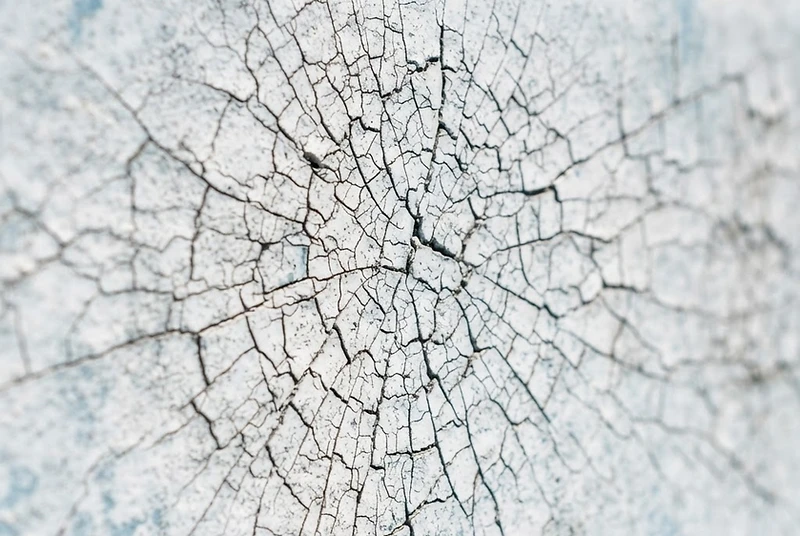
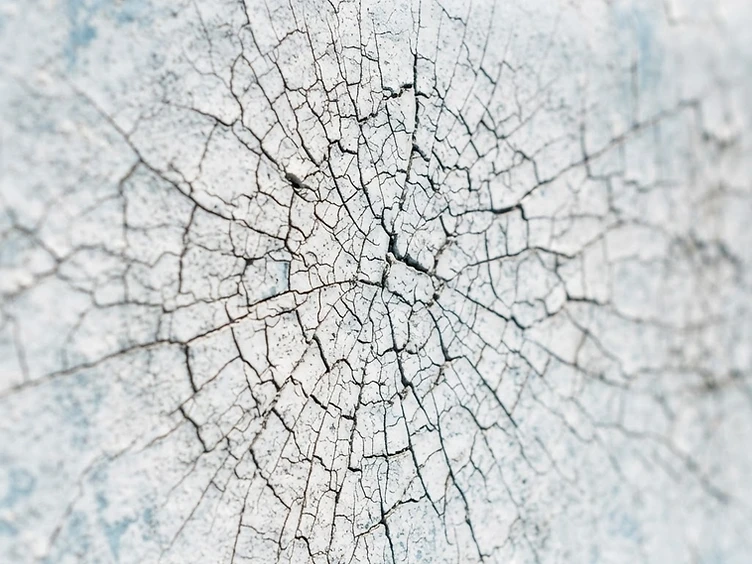
Not every crack means trouble. Surface crazing and hairline gelcoat cracks are common in older fibreglass pools and can often be repaired during resurfacing. Wider, spreading or leaking cracks need closer assessment.
- Hairline cracks in the gelcoat (surface crazing)
- Cracks near steps, corners and the waterline
- Cracks that appear to be widening over time
- Cracks accompanied by water loss
- Cracking that runs along the floor or walls
Before You Call
What to check before requesting a quote
A few observations help us understand whether your crack is likely cosmetic or needs deeper attention.
How It Works
What the process generally involves
Get in Touch
Tell us about your pool and what you're seeing. We'll arrange a free quote.
Enjoy Your Pool
A fresh, smooth, beautiful finish ready for many more North Queensland summers.
What Influences Cost
What influences crack repair cost
Crack repair cost depends on the type, number and severity of the cracks.
Honest Expectations
What resurfacing may and may not solve
May help with
- Surface crazing and hairline gelcoat cracks
- Cracks caught early before they spread
- Cracks addressed as part of a full resurface
- Minor water seepage from surface cracking
May not solve
- Structural cracks linked to ground movement or subsidence
- Cracks caused by a failing pool shell or poor installation
- Active cracks that continue to move without addressing the cause
- Plumbing or equipment-related leaks
Townsville Considerations
Cracks and the North Queensland ground
Townsville's reactive soils and wet-season saturation can contribute to ground movement around pools. While many cracks are simply surface ageing, it's worth having any new or widening crack assessed — especially after a big wet season.
- Reactive clay soils in areas like Mount Louisa and Kelso can shift
- Wet-season saturation changes ground conditions around pools
- Older pools may develop crazing simply from age and UV
- New or widening cracks should be assessed promptly
Common Questions
Pool Crack Repair FAQs
Most cracks in fibreglass pools are surface crazing in the gelcoat — common and not structurally dangerous. However, cracks that are widening, leaking or accompanied by ground movement need professional assessment. We can help you tell the difference.
Surface cracks can usually be repaired effectively, especially as part of resurfacing. Cracks linked to ongoing ground movement may recur unless the underlying cause is addressed — an on-site assessment can advise on the likely outcome for your pool.
Surface crazing and hairline cracks are typically addressed during resurfacing. Deeper cracks may need specific repair work before or as part of the resurface. We'll assess your cracks and explain what's involved before you commit.
Ready to Bring Your Pool Back to Life?
Tell us what you're seeing with your pool and get practical advice on the best next step.